Playing With Fire by Amelia E. Barr
Amelia E. Barr’s Playing With Fire is a novel that proves some conflicts are timeless. Written in 1885, it feels fresh because it’s built on the shaky ground of human desire and social expectation.
The Story
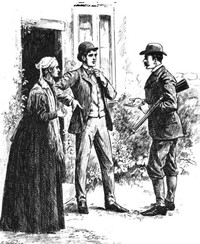
The plot centers on the Chisholm family, who appear to have a perfect life. Richard Chisholm is a successful businessman, devoted to his wife, Lisbeth. Their world is disrupted when Richard’s charming but troubled younger brother, Allan, comes to stay with them. Allan is recovering from a failed venture and leans heavily on Lisbeth’s kindness and understanding. What starts as innocent sympathy slowly grows into something much deeper and more dangerous. As Lisbeth and Allan spend more time together, they find a connection that Richard, buried in his work, cannot provide. The novel follows this tense triangle, watching as a spark of mutual attraction threatens to ignite and consume their carefully constructed lives, their reputations, and their family.
Why You Should Read It
What grabbed me was how real the characters feel. Barr doesn’t paint anyone as a pure villain or a saint. Lisbeth is trapped by the limited roles available to women of her class, yearning for intellectual and emotional partnership. Allan is flawed and impulsive, but you understand his magnetism. Even Richard, who could easily be the ignored husband, is given depth—he’s a good man, just blind to the needs right in front of him. The suspense doesn’t come from murder or mystery, but from the awful, slow-motion feeling of watching people you’ve come to care about make choices you know will end badly. Barr’s insight into the quiet desperation of a ‘good’ marriage is startlingly sharp.
Final Verdict
This book is perfect for readers who love character-driven stories and domestic dramas with real psychological weight. If you enjoy authors like Edith Wharton or Henry James, but find them a bit dense, Barr is a fantastic gateway. Her writing is clear, direct, and incredibly engaging. It’s also a great pick for anyone curious about Victorian-era fiction that steps outside the usual boundaries of pure romance or social satire to ask tough questions about love, loyalty, and happiness. Just be ready to get thoroughly invested in a love triangle where there are no easy answers.
This work has been identified as being free of known copyright restrictions. You can copy, modify, and distribute it freely.